Transferring Causal Driving Patterns for Generalizable Traffic Simulation with Diffusion-Based Distillation
AAAI Main Track 2026 Poster
Abstract
Traffic simulation is essential for validating the safety and reliability of autonomous driving systems, yet data-driven simulation methods often struggle with distribution shifts, limiting their generalizability across diverse datasets (domains). To address this, we present Causal Driving Pattern Transfer (CDPT), a novel two-stage knowledge distillation framework built upon diffusion model to enhance cross-domain generalizability. In Phase I, we implement hybrid self-distillation within the source domain by integrating feature-, response-, and contrastive-level distillation, which enables the model to decompose complex driving behaviors into their core causal components, including scene-conditioned driven patterns, multi-agent interaction dynamics and casual saliency. In Phase II, we introduce a continual distillation strategy: few-shot samples from the target domain are used to initiate generation of diverse synthetic scenarios, allowing the student model to continually adapt to novel environments without retraining on large-scale data. Extensive experiments demonstrates that CDPT achieves strong generalization in both open-loop and closed-loop simulations, effectively generating realistic, interaction-aware behaviors that are critical for scalable and reliable autonomous driving testing.
Closed-loop Simulation Performance on WOMD
Closed-loop simulation evaluates the model's ability to generate realistic interaction behaviors for AV testing, where AVs replay observed trajectories from the WOMD, and background vehicles (BVs) are simulated to create realistic traffic interactions. We assess performance on 914 unseen WOMD scenarios.
Teacher
Simulation 1dc26b75
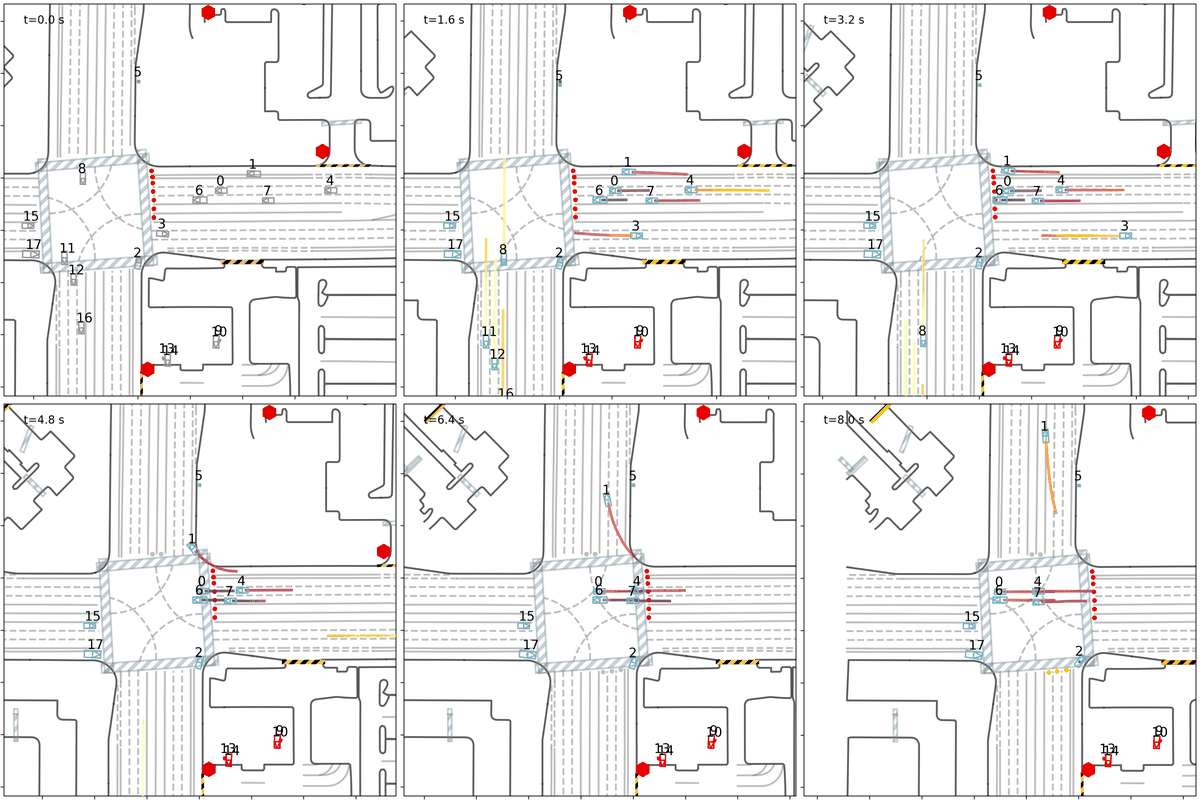
Violate signals
Simulation 2a6ced5b
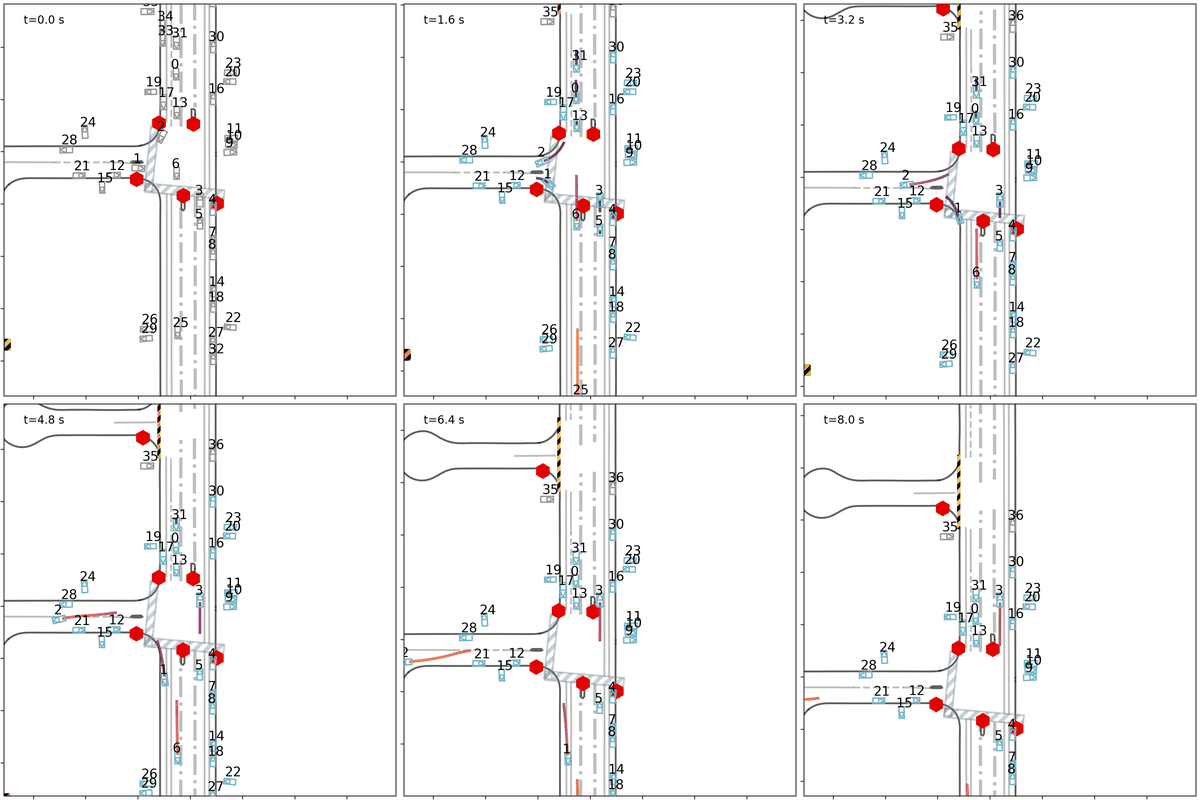
Static and erratic behaviors
Simulation e86f0a2f
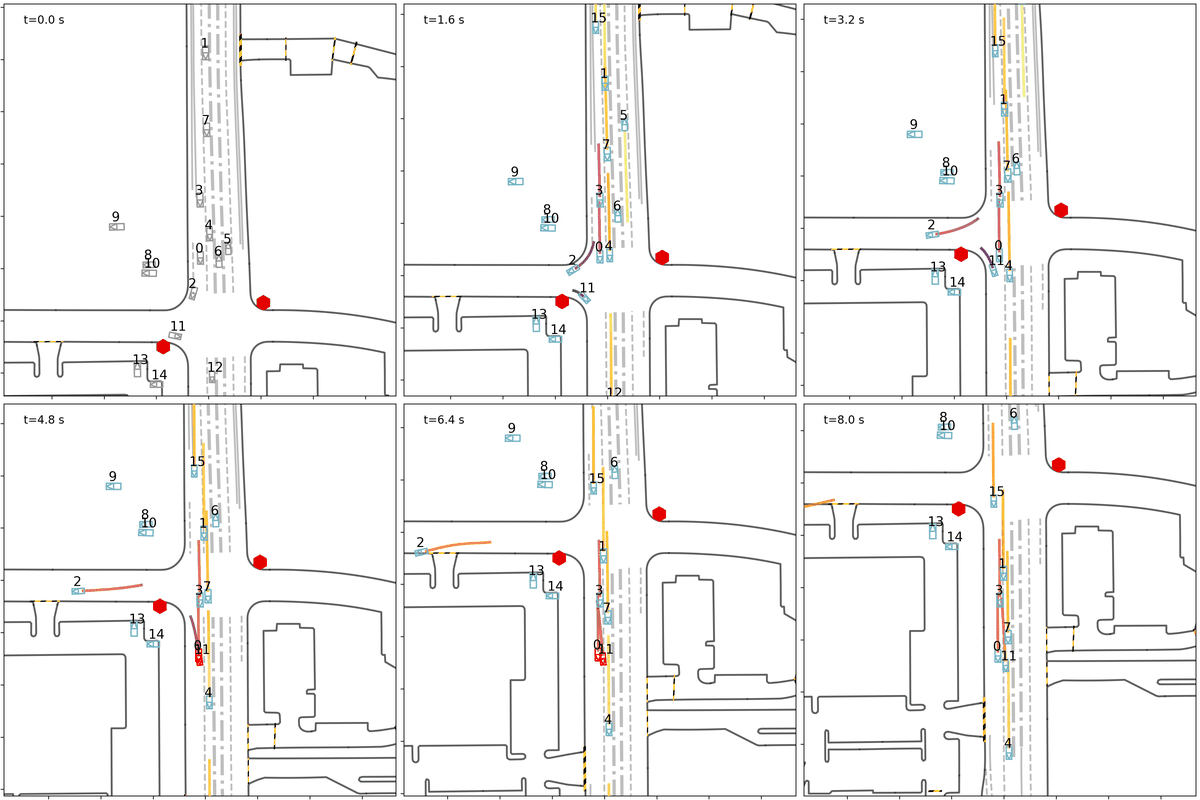
Multi-agent crashes
CDPT
Simulation 1dc26b75
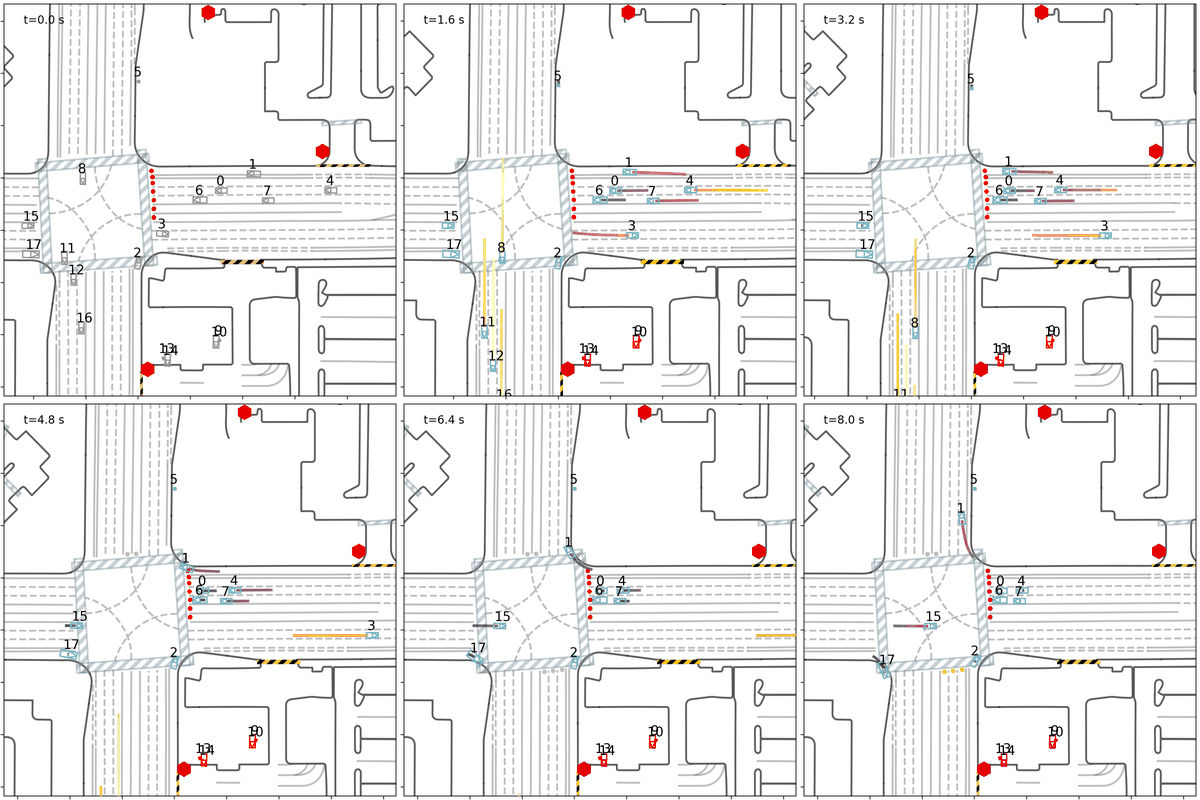
Stops at red lights and yields correctly
Simulation 2a6ced5b
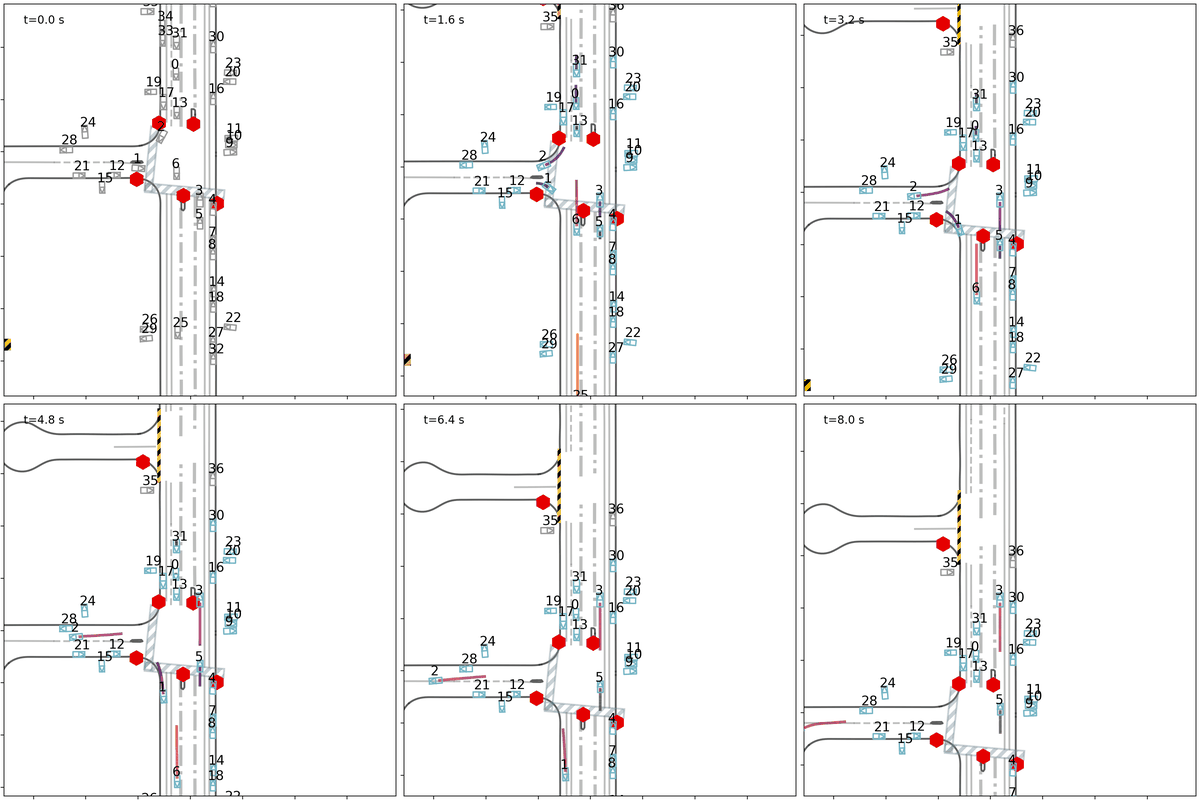
Smooth left turn and stable
Simulation e86f0a2f
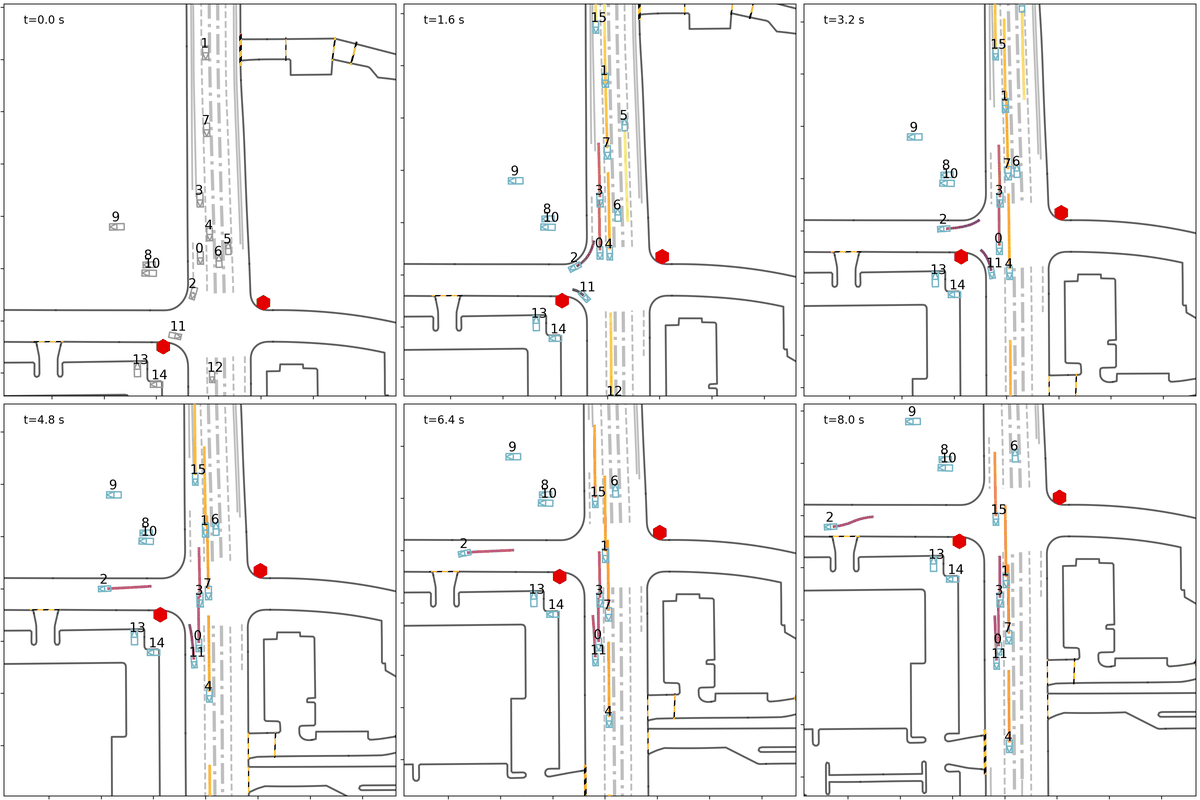
Smooth merge without collisions
Closed-loop Simulation Performance on INTERACTION
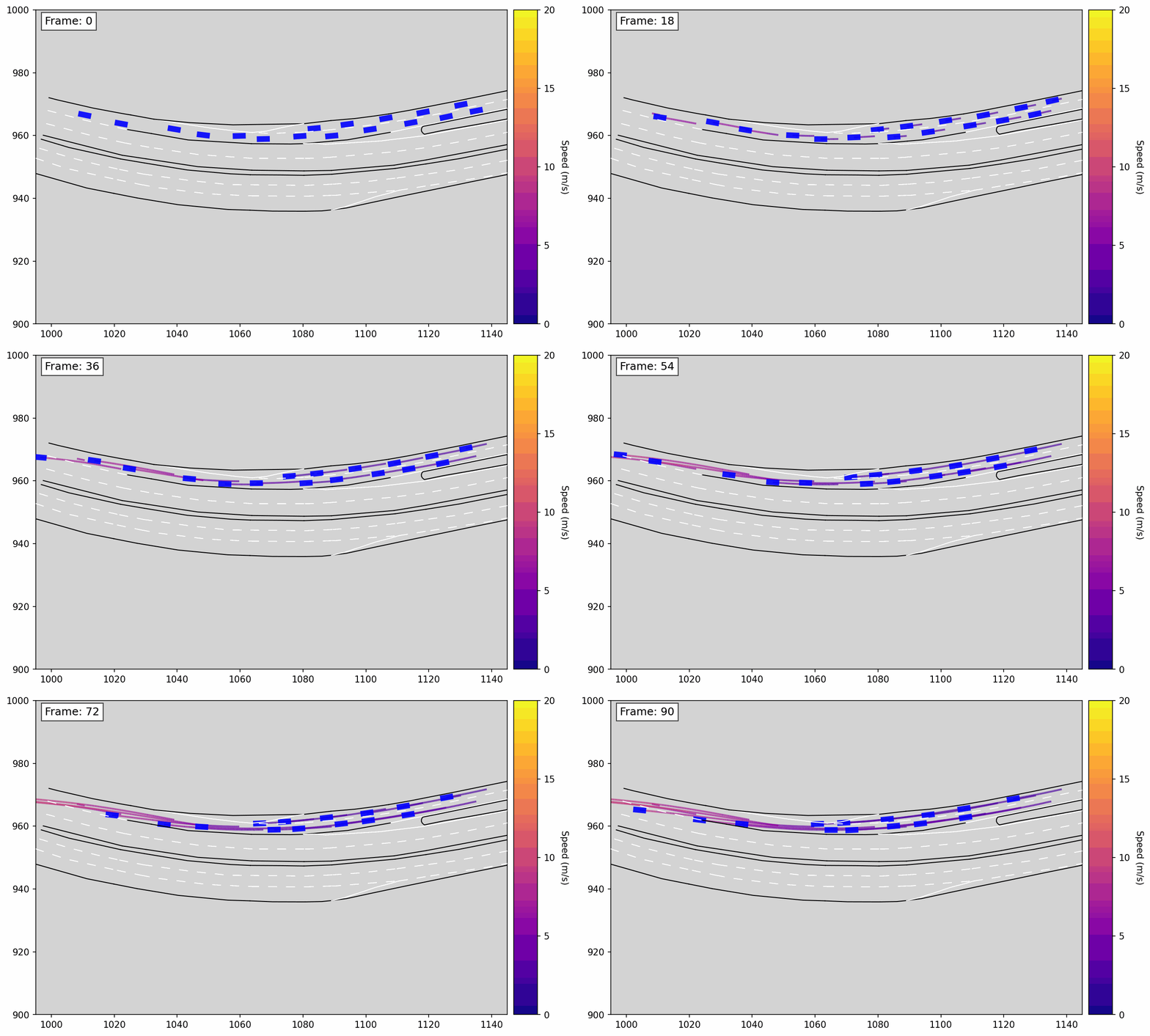
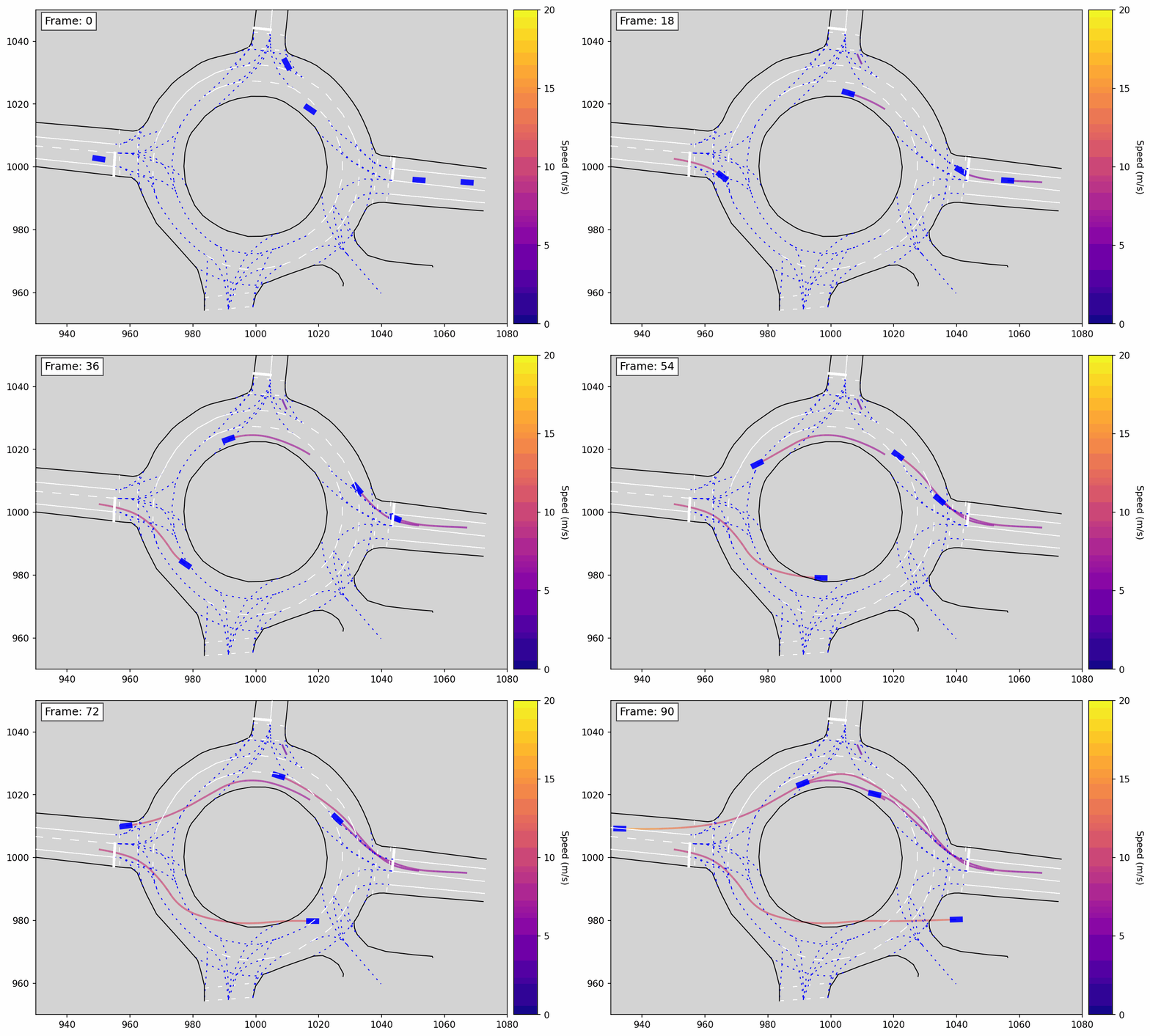
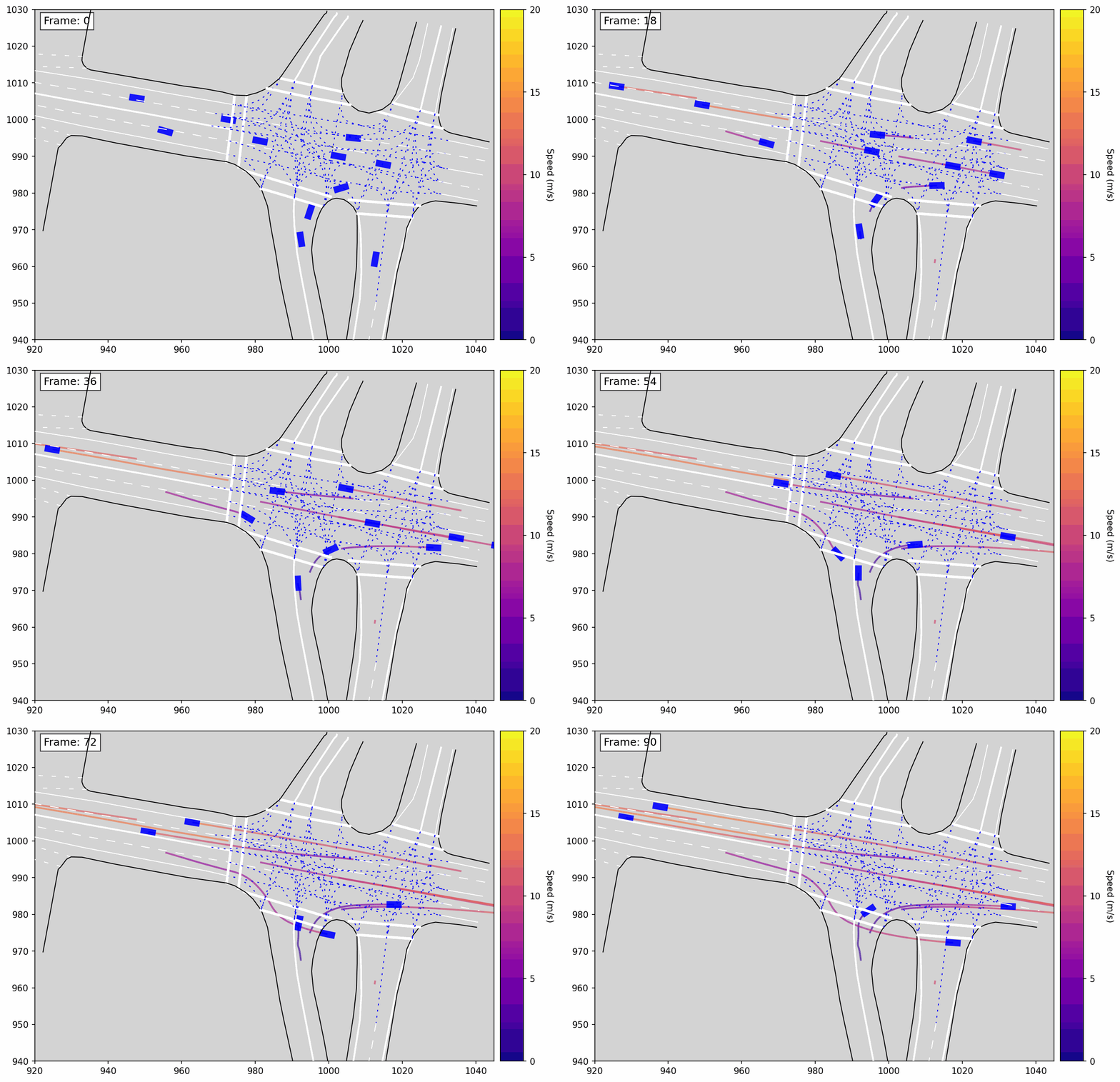
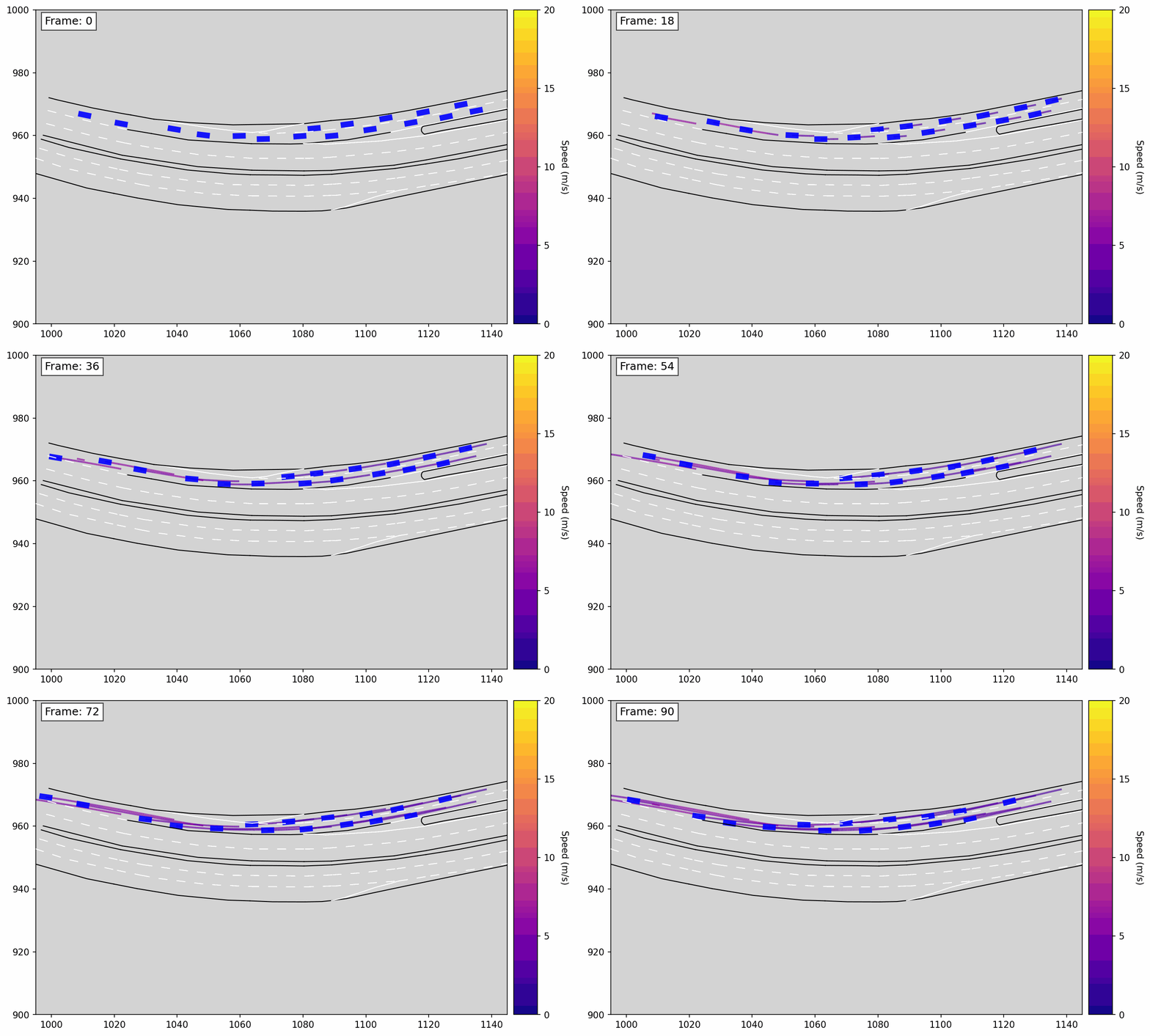
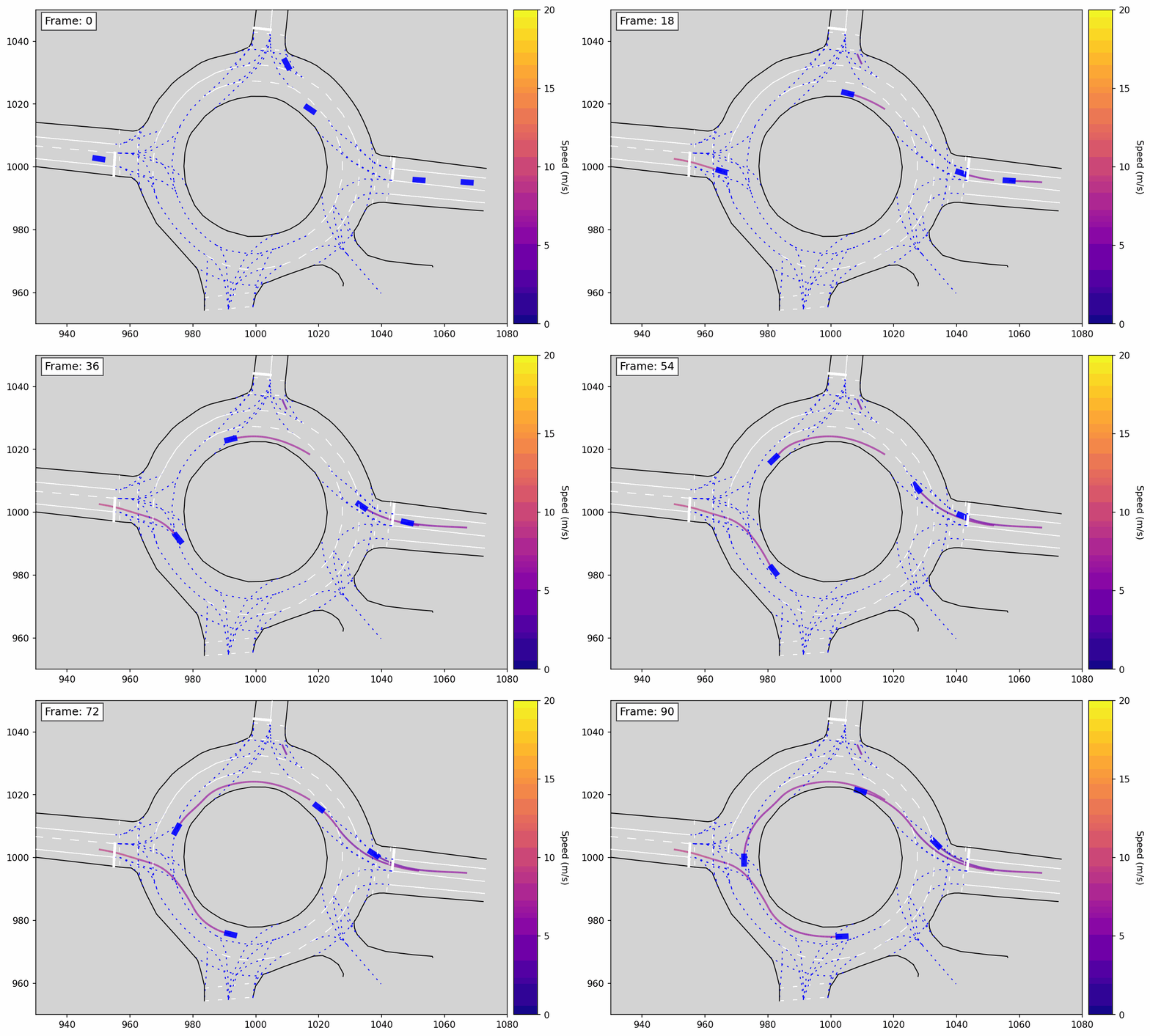
To evaluate model generalization in diverse traffic environments, we conduct closed-loop simulation experiments on 498 dense, interaction-heavy scenarios from the INTERACTION dataset, contrasting with WOMD scenarios.
Teacher
DR_CHN_Merging_ZS0
DR_CHN_Roundabout_LN
DR_USA_Intersection_GL
CDPT
DR_CHN_Merging_ZS0
DR_CHN_Roundabout_LN
DR_USA_Intersection_GL
AV Testing Performance on OnSite Benchmark
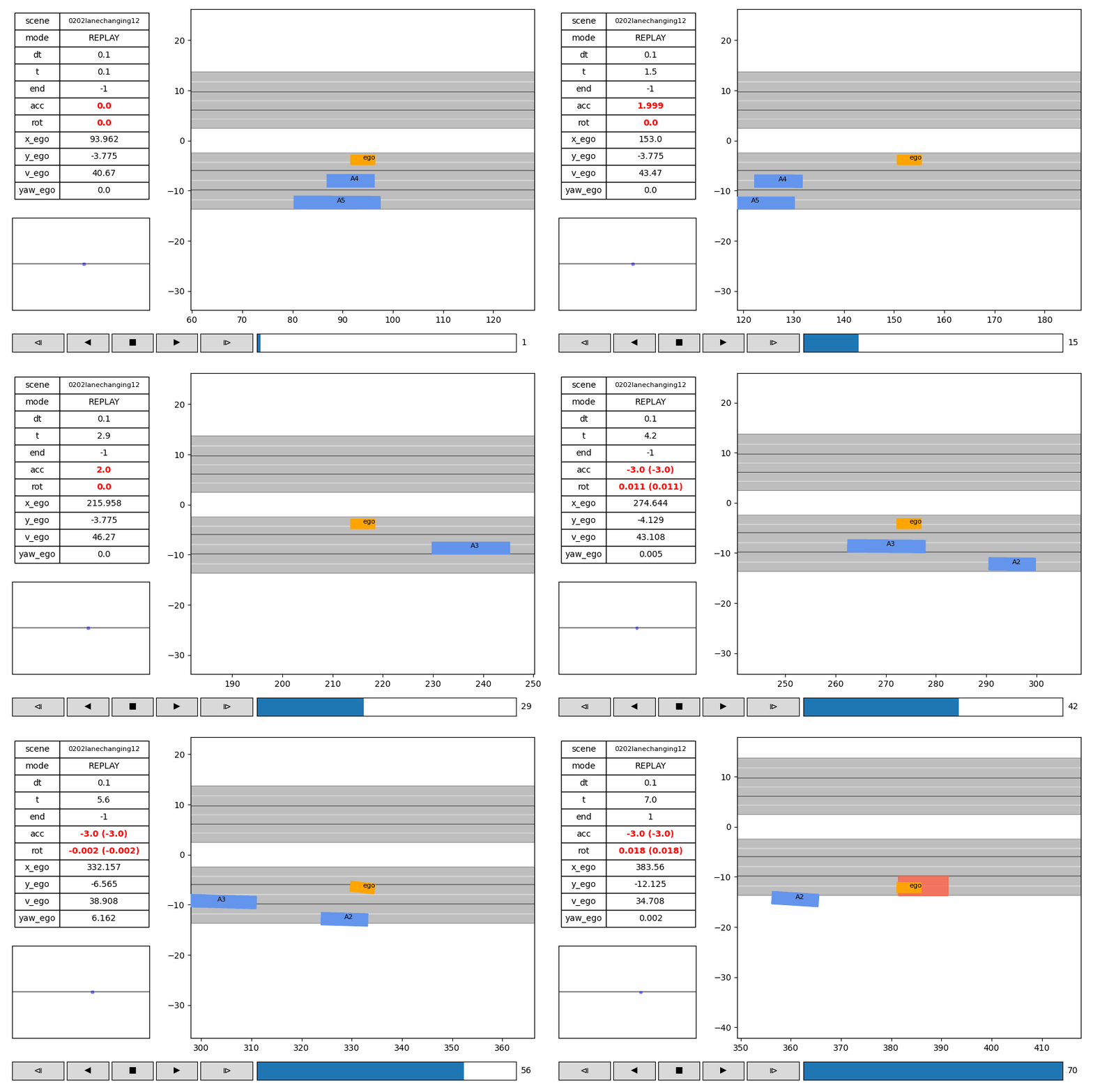
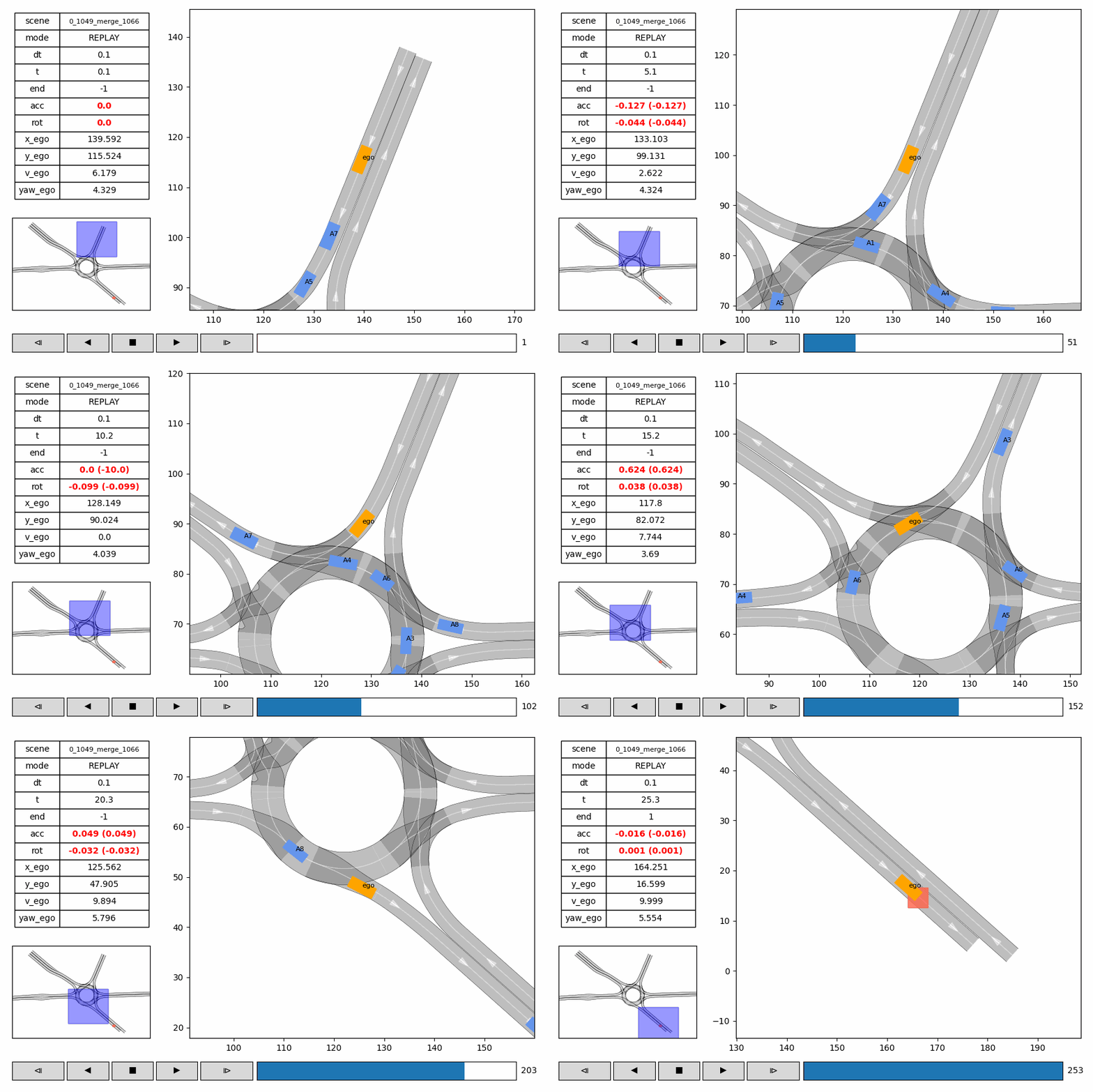
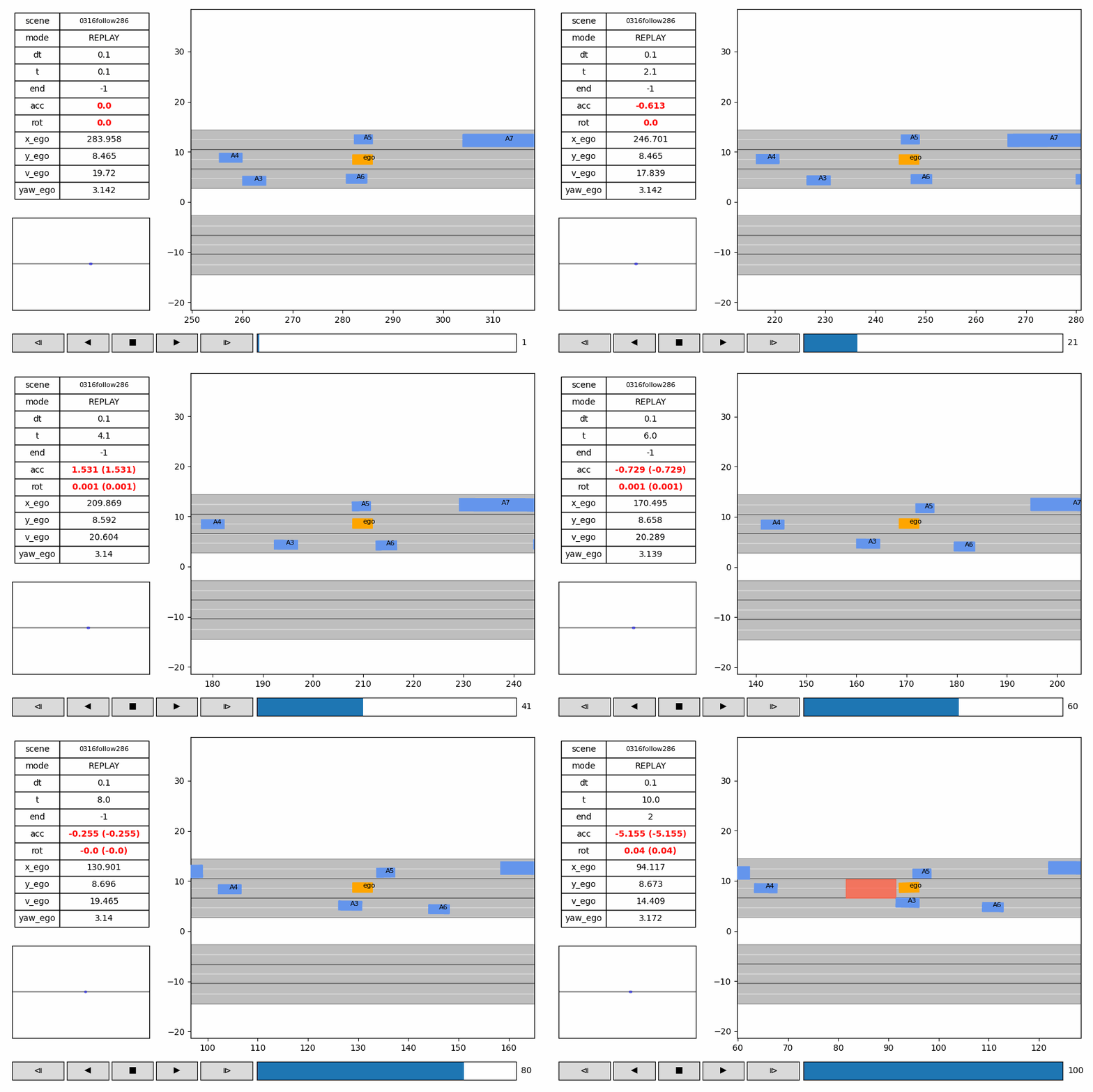
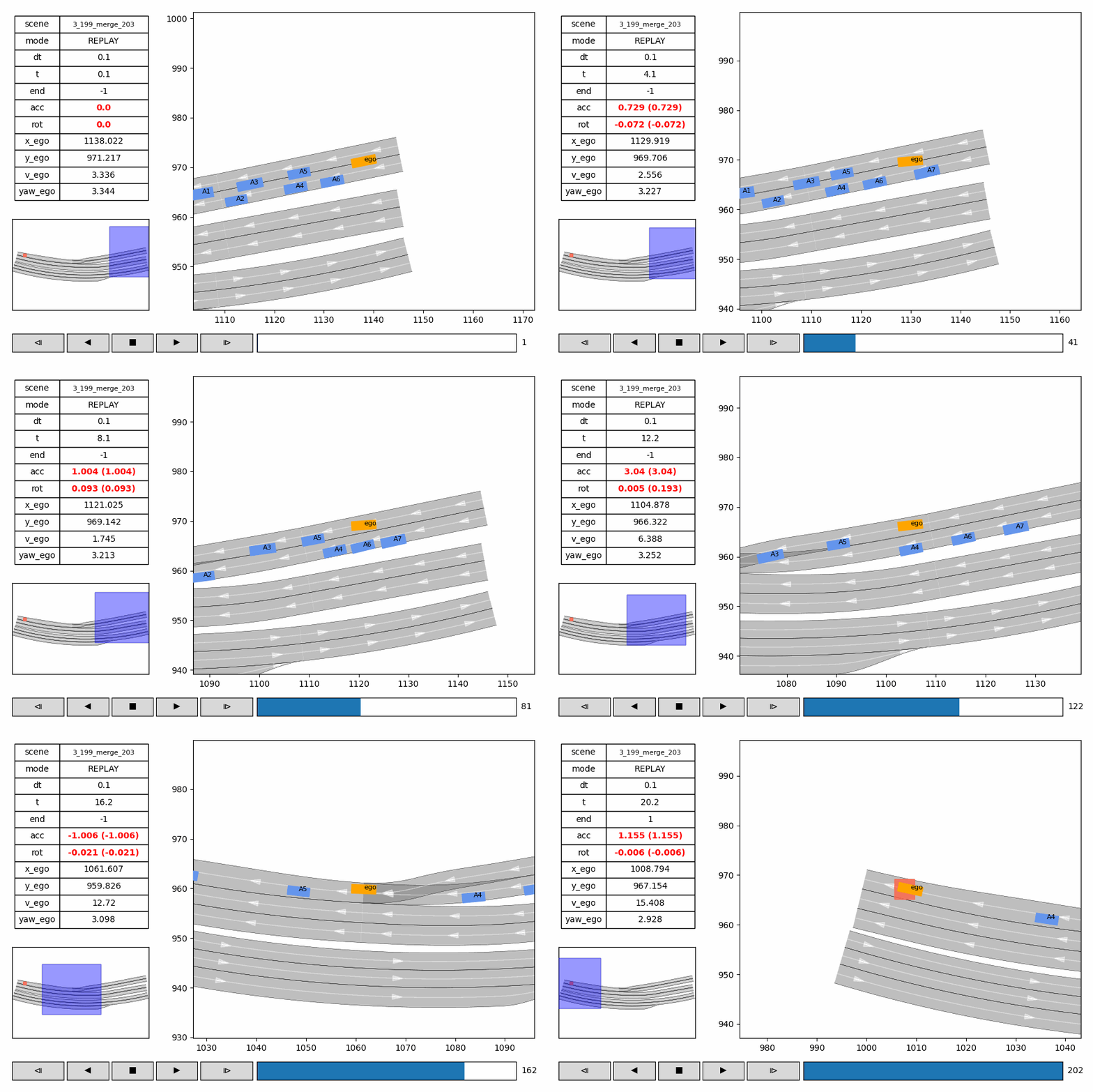
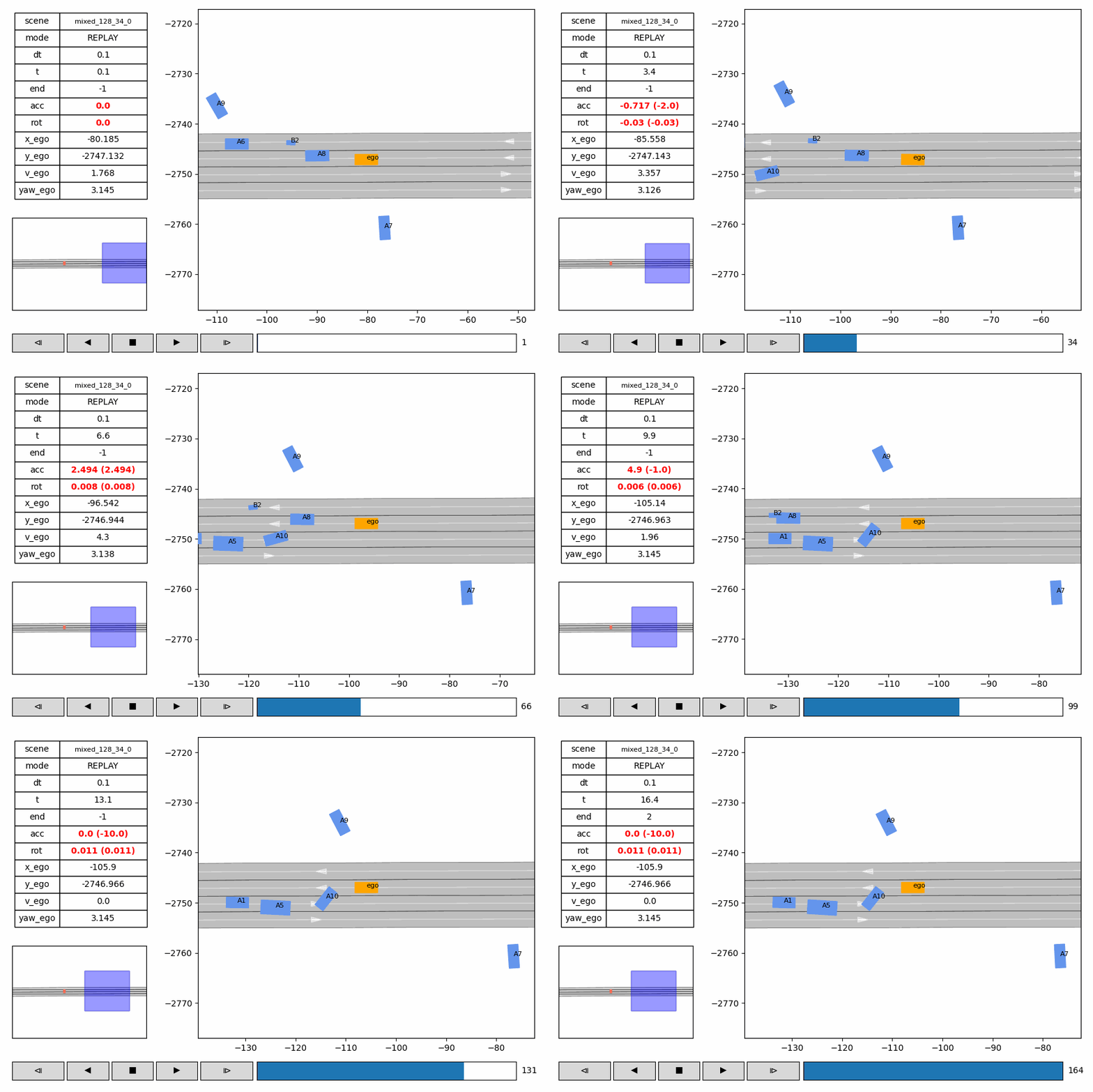
Furthermore, we evaluate the effectiveness of the CDPT framework in closed-loop AV testing using the OnSite platform, a standardized benchmark for zero-shot scenario generation and safety-focused simulation. Each test case provides a high-definition map and a 31-frame prefix of agent states, requiring models to synthesize full traffic scenes based solely on partial observations. The benchmark includes a wide range of traffic scenarios such as merges, roundabouts, signalized intersections, and urban environments with vulnerable road users.
Lane Changing
Roundabout
Lane Following
Merging
Unprotected Left Turn
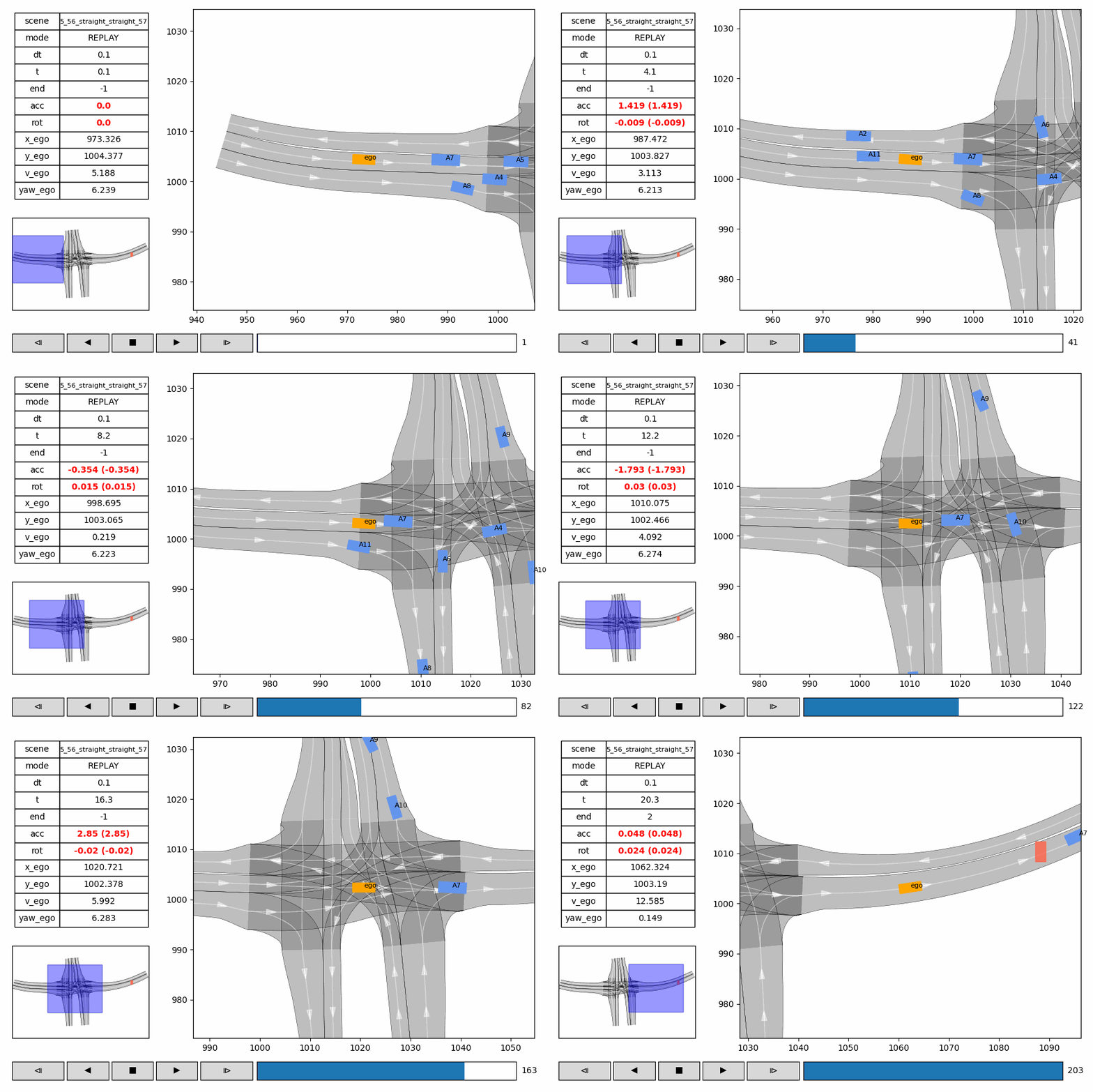
Cross Intersection
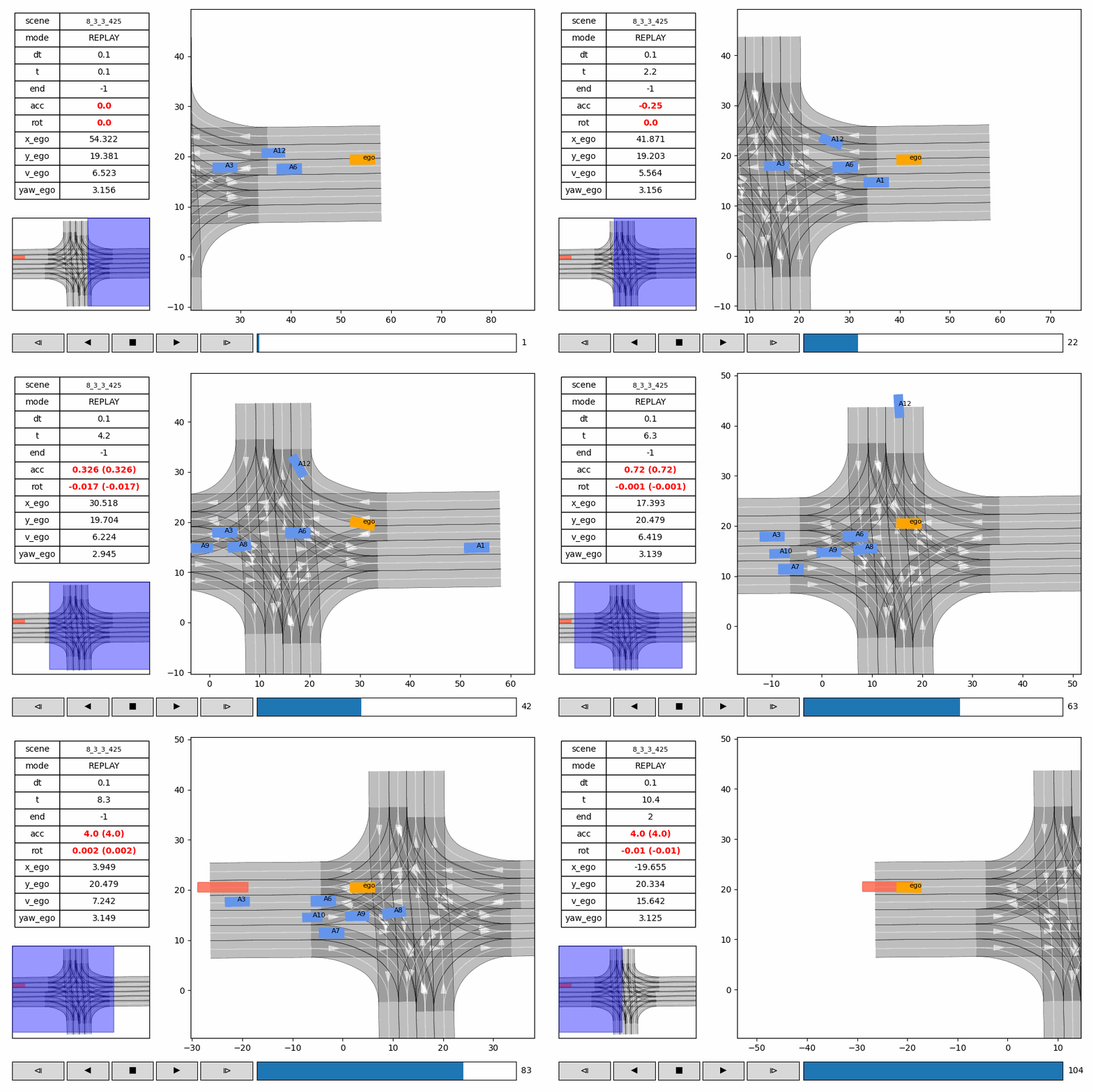
Highway Merge
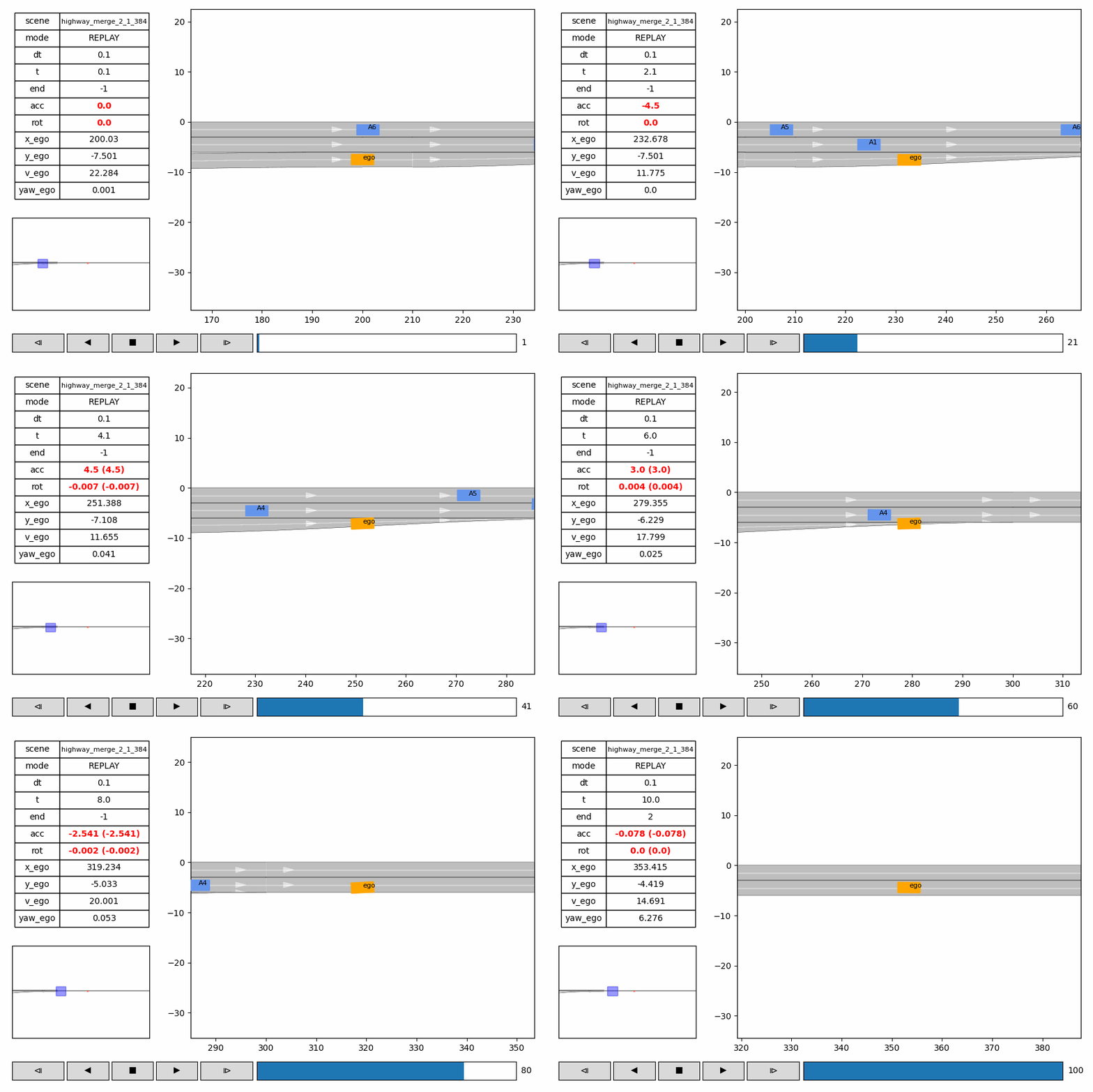
T-Intersection
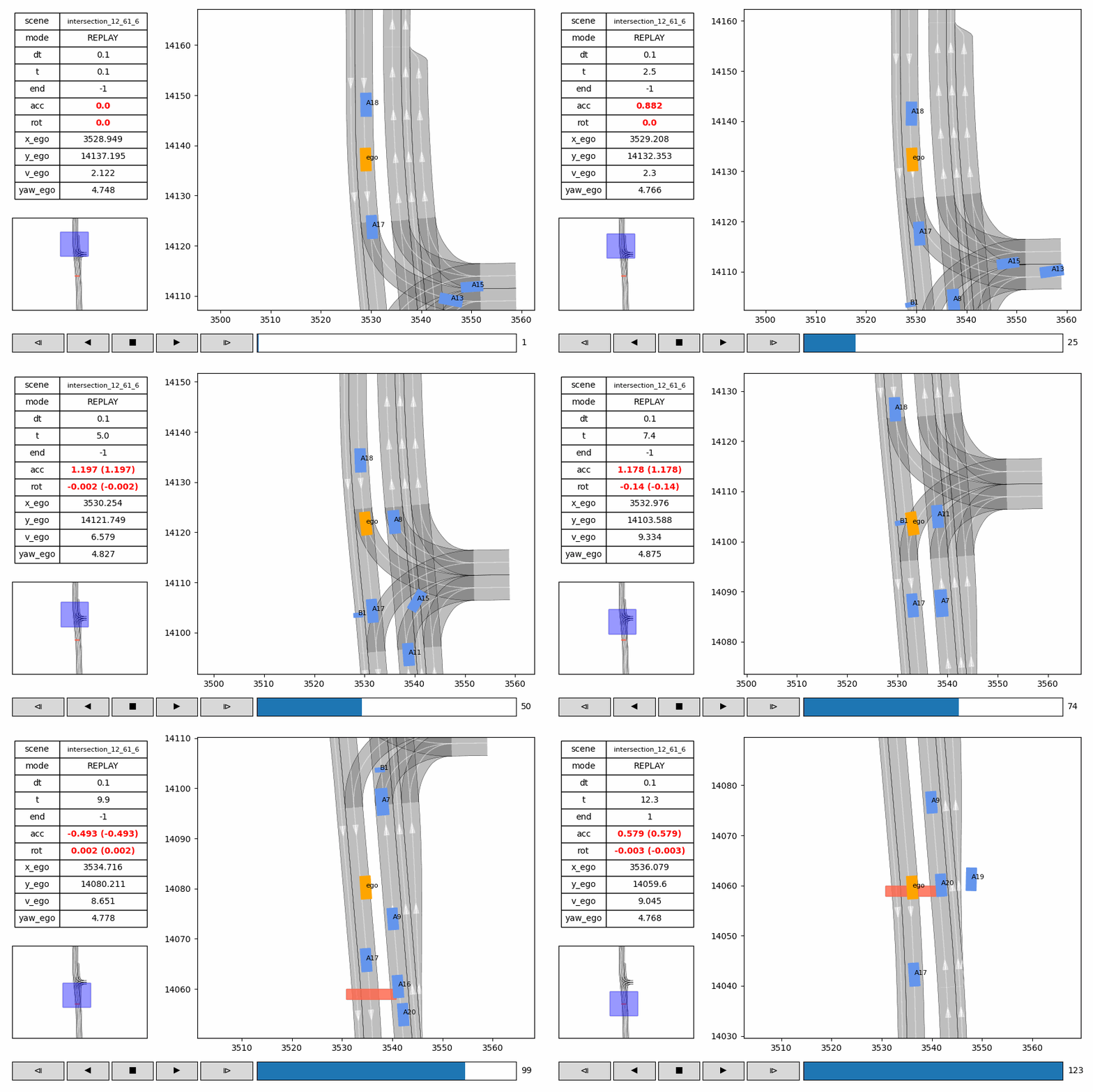
Mixed Traffic
BibTeX
@inproceedings{chen2026transferring,
  title={Transferring Causal Driving Patterns for Generalizable Traffic Simulation with Diffusion-Based Distillation},
  author={Chen, Yuhang and Sun, Jie and Fan, Jialin and Sun, Jian},
  booktitle={Proceedings of the AAAI Conference on Artificial Intelligence},
  volume={40},
  number={1},
  pages={110--118},
  year={2026},
  doi={10.1609/aaai.v40i1.36970},
  url={https://doi.org/10.1609/aaai.v40i1.36970}
}Page Views: 0